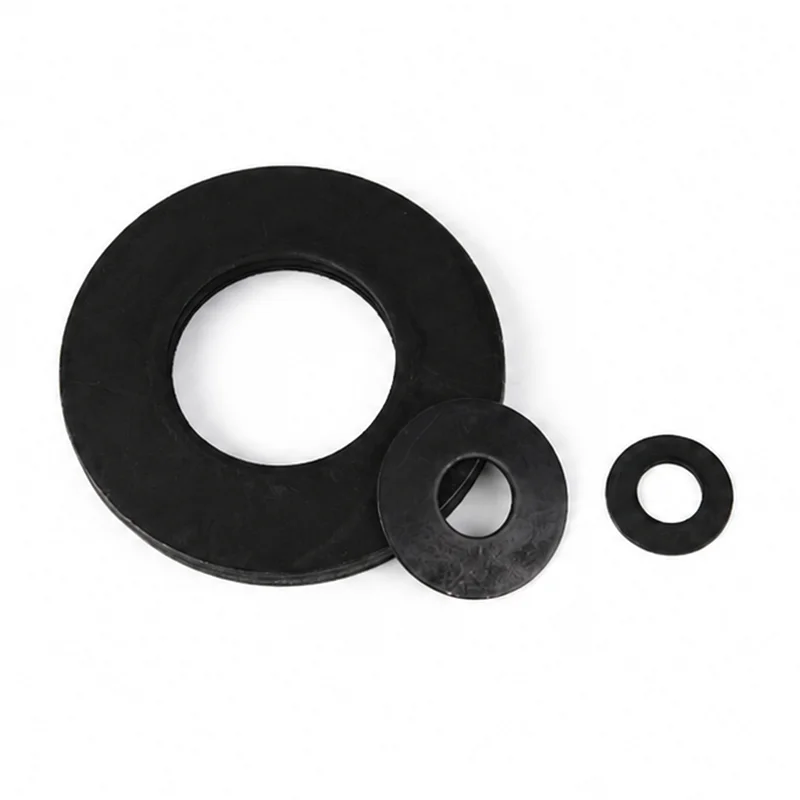
Stainless Belleville washers are not selected by material name alone. The correct choice depends on the washer geometry, required load and travel, environment, finish, mating parts, and inspection plan. Stainless steel can address an exposure concern, but it does not automatically define the spring rate, working limit, or service life. The terms stainless steel belleville washers and stainless steel belleville spring washers should still lead to a controlled material and drawing review.
For a buyer, the material decision starts with the environment. Consider moisture, cleaning chemicals, salt exposure, temperature cycling, contact with dissimilar metals, and whether the spring will be enclosed or exposed. These conditions influence the material and finish discussion, but they do not replace the drawing requirements for the spring itself.
A stainless Belleville washer still needs a controlled specification. Record the selected material designation or grade, condition, outside diameter, inside diameter, thickness, free height, and required tolerances. If the drawing only says “stainless washer,” a supplier may not have enough information to select or quote the intended part.
Start with the job the spring must perform. If the assembly needs a defined preload over a controlled movement range, the washer dimensions and stack arrangement deserve the same attention as the alloy. If the primary problem is exposure, compare the proposed material and finish with the actual fluids, cleaning agents, atmosphere, and mating metals. This prevents a material label from becoming a substitute for an engineering requirement.
For a new design, record the selection logic in the drawing or specification. For a replacement, compare the existing washer’s measured geometry and working condition before changing material. A stainless substitute may fit the same envelope while producing a different load-travel response. Treat that change as an engineering review item, not as a simple color or corrosion upgrade.
Use the environment to narrow the material family, then verify the choice against the spring function. A corrosive atmosphere may require a different material or surface treatment than a dry indoor assembly. A cleaning process may also change the practical requirement. The selection should cover the exposed surfaces, the contact area, and the mating hardware rather than the washer in isolation.
| Decision | What to define | Why it matters |
|---|---|---|
| Exposure | Moisture, salt, chemicals, cleaning cycle, temperature range | Sets the material and finish discussion |
| Spring geometry | Diameter, thickness, free height, cone shape, tolerances | Controls fit and load-travel behavior |
| Assembly | Stack arrangement, guide, mating surface, preload | Changes how the part works in the assembly |
| Verification | Inspection dimensions, load-travel checks, sampling plan | Defines how the order will be accepted |
Two washers made from different materials can have different performance, but two washers made from the same material can also behave differently when their dimensions or stack arrangement change. Define the working height, target preload, allowable travel, and whether the spring works alone or in series or parallel stacks.
Do not copy a load value from a general material guide into a drawing. General references can help explain the selection factors, but the final value depends on the exact geometry, heat treatment or condition, surface treatment, and test method. The reference is background only; it is not Eugene test data.
For a DIN 2093 application, review the DIN 2093 Belleville disc spring product family as a starting point, then send the drawing and working requirements for confirmation. Eugene’s service page is an inquiry route; the drawing and order documents must define the actual material, finish, quantity, inspection, packing, and delivery requirements.
Stainless steel does not by itself prove a universal corrosion life, fatigue life, load capacity, or temperature limit. Those claims require a defined grade, condition, geometry, environment, and verification method. If the application is safety-critical or exposed to unusual chemicals or temperatures, require a controlled review before release.
Choose stainless Belleville washers for a documented environment, then validate the complete spring specification. Material is one input. Geometry, stack design, working conditions, and inspection determine whether the part fits the assembly.
When a stainless washer replaces a carbon-steel part, compare more than the outside appearance. Measure the available envelope and record the original inside diameter, outside diameter, thickness, free height, and seating surfaces. Then compare the working position and the required preload. A part that fits the hardware can still change the assembly response if its cone height, thickness, or condition differs.
Review the mating surfaces as well. A guide, bolt, shaft, or seat can constrain the washer differently from a laboratory setup. Contact with a dissimilar metal may also change the environment that the material actually sees. If the assembly is cleaned, exposed to salt, or cycled through temperature changes, describe those conditions in the inquiry rather than using a broad word such as “corrosion resistant.”
For production orders, agree on the acceptance record before the supplier starts. That record may include dimensional inspection, material documentation, visual finish, sampling quantity, and a load-travel check at defined points. The exact checks belong to the drawing and purchase specification. They should not be invented from a general article or copied from a different washer size.