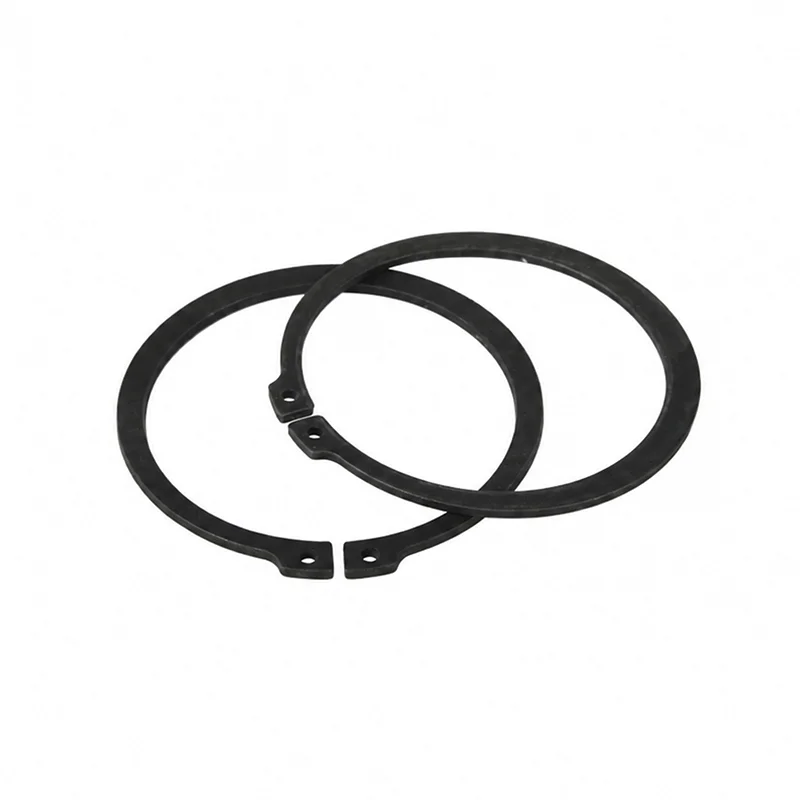
What is a snap ring? A snap ring is a metal retaining fastener that sits in a machined groove on a shaft or inside a bore. The part creates a removable shoulder that limits axial movement. It can retain a bearing, sleeve, pin, roller, or another component without a separate bolted plate.
The name does not identify one universal part. Buyers still need to determine whether the ring fits a shaft or bore, whether installation is axial or radial, and which standard and groove geometry control the assembly. Those decisions separate the main types of snap rings and prevent a familiar name from becoming an incomplete specification.
A snap ring changes shape during installation so it can enter its groove. Once seated, the ring returns toward its working form. Part of its profile remains above the groove and forms the shoulder that blocks a retained component from moving farther along the shaft or bore axis.
The groove and ring work as one system. The ring name alone does not establish load capacity, fit, or service life. Groove dimensions, ring geometry, material, finish, clearance, operating conditions, and installation method all affect the final selection.
This also explains why a snap ring is useful in compact assemblies. The retaining feature occupies a groove close to the component stack. Engineers can remove the ring when the assembly needs service, provided the design includes suitable access and follows the specified installation method.
The fastest way to narrow the choice is to locate the groove and check the available assembly access. The table below routes three common layouts without treating them as interchangeable.
| Assembly layout | Ring position | Installation direction | TG Eugene example |
|---|---|---|---|
| External shaft retention | Groove on the outside of a shaft | Axial, typically using lug holes | DIN 471 external circlip |
| Internal bore retention | Groove inside a housing or bore | Axial, typically using lug holes | DIN 472 internal circlip |
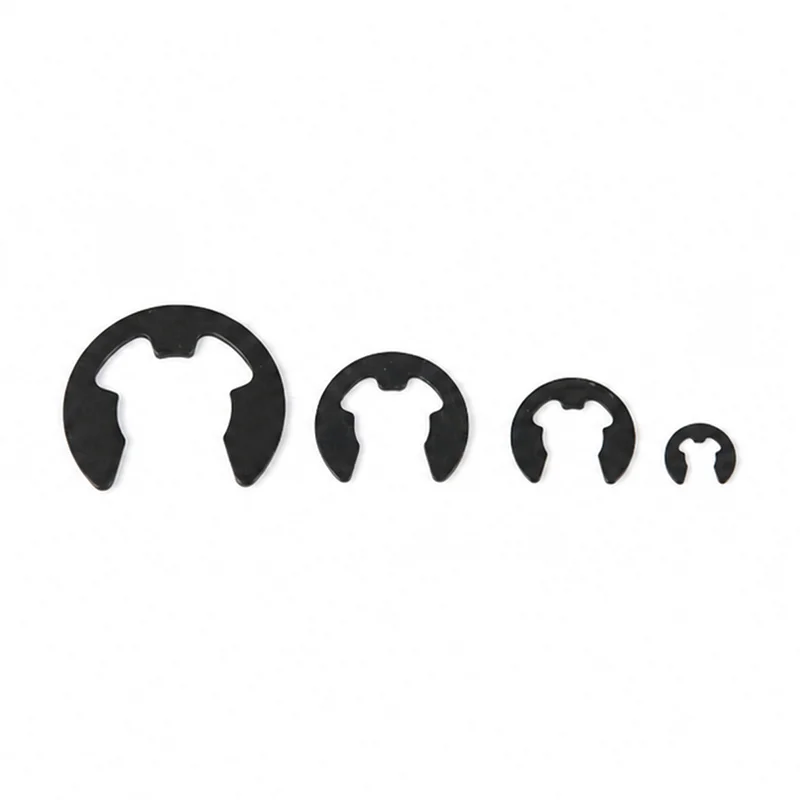
| Radial shaft retention | Groove on the outside of a shaft | From the side of the shaft | DIN 6799 E-type circlip |
An external ring expands over a shaft and seats in an outside groove. An internal ring compresses to enter a bore and then seats in the internal groove. Both layouts need access along the assembly axis and enough room for the specified installation tool.
An E-ring enters a shaft groove from the side. This radial route can help when a component blocks axial access. The different access path does not make it a direct substitute for an axial ring; the standard, groove, shoulder, load, and assembly method still require review.
These terms often overlap in general engineering and purchasing language. Many catalogs use retaining ring as the broad family name and use snap ring or circlip for grooved retaining parts.
Some technical catalogs use a narrower distinction. They call a tapered-section ring a circlip and reserve snap ring for a constant-section design. Because terminology varies, a purchase order should identify the standard, installation geometry, and drawing rather than depend on the common name.
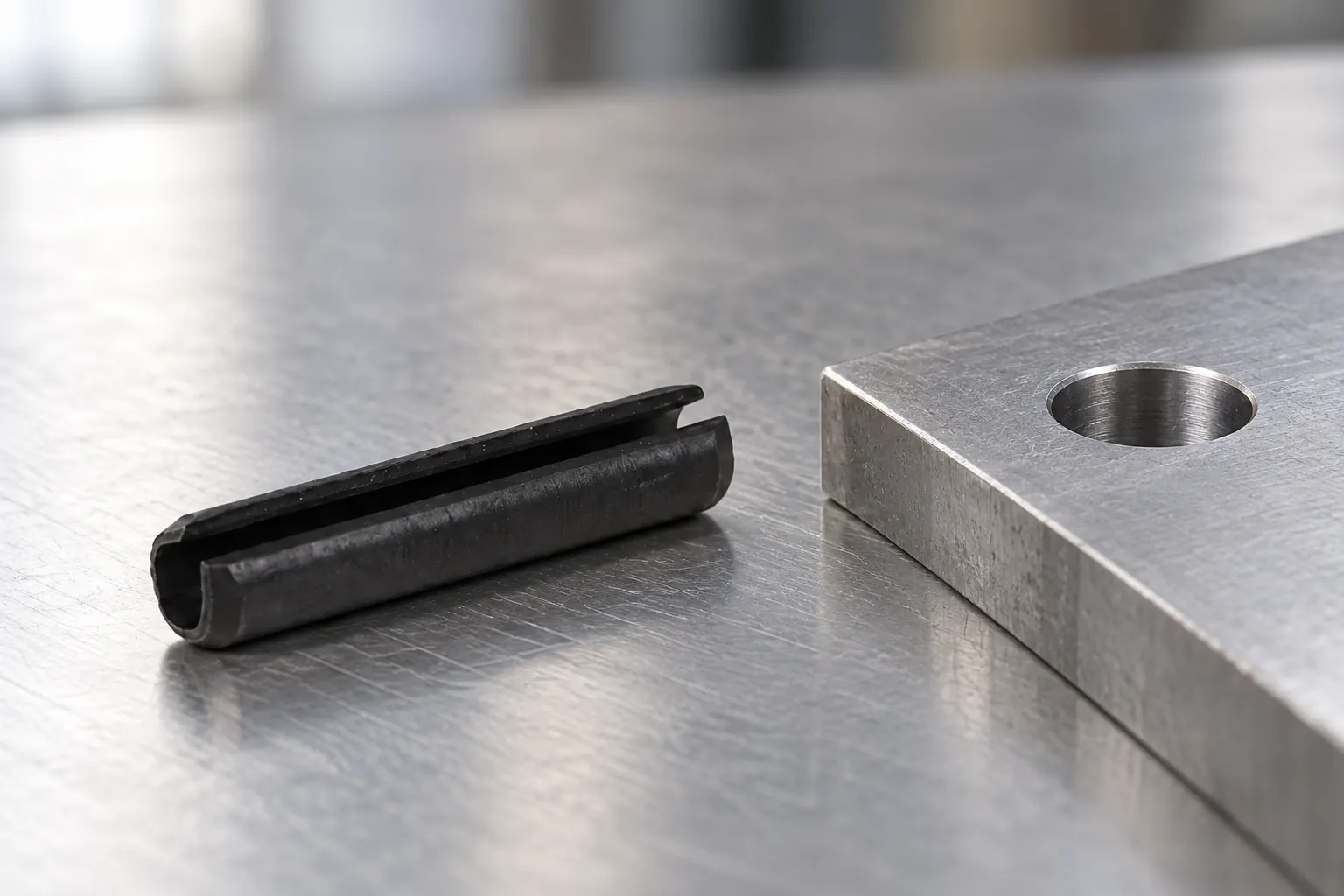
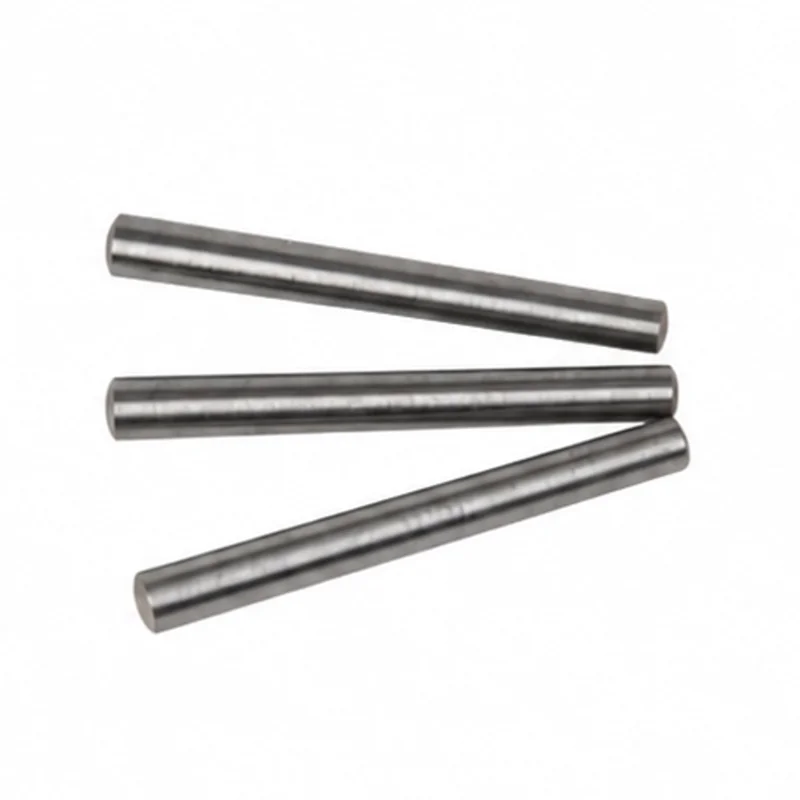
Common uses follow the three layouts. An external ring can locate a bearing or sleeve on a shaft. An internal ring can retain a bearing or sleeve within a housing. A radial E-ring can hold a pin, roller, or another small component on an external shaft groove.
These examples describe retaining positions, not approved applications. The same bearing or pin can impose different requirements when the load direction, rotational speed, temperature, corrosion exposure, clearance, or service method changes. Engineering must verify those conditions before releasing the ring and groove.
State whether the groove is on a shaft or inside a bore. Record whether the installer can approach along the axis or only from the side. Also check the space needed for the intended tool and for later removal.
Use the drawing or product specification to identify the required ring standard. Verify the matching groove dimensions and tolerances from that source. Two rings that share a nominal shaft or bore diameter can require different grooves, so nominal diameter alone does not prove interchangeability.
Provide the direction and level of the expected axial load, rotational speed where relevant, operating temperature, vibration, and exposure conditions. These inputs help engineering assess ring geometry, material, finish, and the surrounding groove. A general definition article cannot establish those limits for a specific assembly.
Review the retained component, available shoulder contact, axial clearance, nearby parts, and possible tool interference. The ring must seat fully in its groove while the surrounding design provides the intended retention path.
Define manual, assisted, or automated installation before approving the part. Axial lug rings and radial E-rings use different access and handling methods. Packaging and feeding requirements may also matter in repeat production, but they should follow the selected ring geometry rather than drive an unsupported substitution.
Give the supplier a controlled drawing or specification instead of a name and diameter alone. Include the installation location, ring type and standard, groove drawing and revision, material and finish, quantity, operating conditions, assembly method, and required inspection documents.
Provide those inputs when seeking supplier confirmation of a candidate product family. Supplier feedback does not replace engineering approval of the ring, groove, and retained assembly.
Every supplier does not use the terms in exactly the same way. In general use, both names can describe a retaining ring that seats in a groove. Some catalogs distinguish constant-section snap rings from tapered-section circlips. Use the standard and drawing as the controlling identification.
No. Diameter helps identify a candidate family, but the standard, groove dimensions, load, speed, environment, clearance, material, finish, and installation method still need confirmation. The nominal diameter does not prove that two rings or grooves are compatible.