 Wenzhou Eugene Technology Co., Ltd.
 Summary: The right tool must match the ring’s geometry, access space and removal torque—not merely its nominal diameter. For spring-retaining components, manufacturer installation guidance stresses using the correct tool, checking that the ring is fully seated, and avoiding distortion; a reusable ring that is bent or overstressed should be evaluated before re-use. Specify the engagement profile, material and evidence of fit, then trial the method on representative hardware before release.
Fuel pump lock ring tool selection starts with the interface and the service condition
A fuel pump lock ring tool is normally a driven or adjustable interface that transfers turning force to tabs, slots or castellations around a module-retainer ring. It is different from general retaining-ring hand pliers: the primary motion is rotational torque around a tank opening, while pliers open or close a spring ring radially. Before a buyer approves a tool, record the outside diameter, tab count, tab width, flange clearance, corrosion condition and the permitted striking method in the vehicle or equipment service literature.
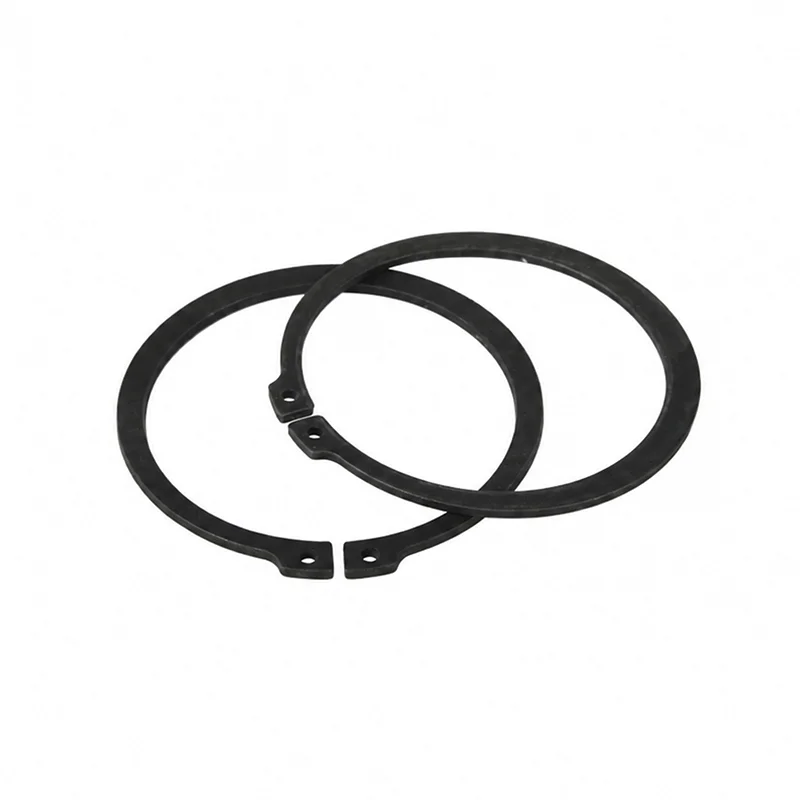
That distinction matters because a lock ring can describe several engineering families. An external circlip retains a component on a shaft, while a fuel-module retainer holds an assembly at a tank aperture; their loading paths and engagement features are not interchangeable. For background on shaft-retention categories, see Eugene’s explanation of what a snap ring is. Smalley’s selection guide similarly separates ring geometry, groove design and installation requirements.
Start with positive engagement rather than maximum force
Count the tabs that the driver contacts and confirm that its lugs bear against a robust face, not a thin edge. A fit that contacts three or more appropriate points generally reduces localized deformation compared with improvised point contact, but the applicable service manual remains controlling. Inspect the ring, threads or locking lands after removal; a damaged lock ring should not be forced back into service simply because it still turns.
For suppliers and distributors, the useful request-for-quotation record includes vehicle or module reference, measured diameter, tab pattern, operating environment, material preference and a photograph with a scale. It makes a fuel pump lock ring tool quote auditable and prevents an apparently compatible universal driver from becoming an expensive return.
Lock ring pliers are appropriate only when the ring design calls for radial expansion or compression
Lock ring pliers use pins, tips or jaws to expand an internal ring or compress an external ring into its groove. Their suitability depends on the ring’s holes, lugs and free state—not on the fact that a technician calls it a retainer. Use tips that fully enter the holes and keep the handles aligned with the ring plane; twisting a ring while it is expanded can permanently alter its free diameter or create a burr that prevents seating.
The inspection criterion is functional, not cosmetic. With an external lock ring, confirm that the ring sits against the groove shoulder around its circumference and that the component cannot move beyond the allowed end play. With an internal ring, verify the same seating relationship from the bore side. Eugene’s internal snap ring size chart is a useful sizing reference, while the final dimensions must come from the relevant drawing and standard.
| Interface | Preferred method | Key check | Typical risk if mismatched |
|---|---|---|---|
| Tank-module tabs or castellations | fuel pump lock ring tool | Positive tab engagement and clearance | Deformed tab, damaged opening or slipped strike |
| External ring with plier holes | lock ring pliers | Tip diameter and ring-plane alignment | Over-expansion and loss of groove seating |
| Internal ring in a bore | Internal retaining-ring pliers | Compression range and bore access | Pinch damage or incomplete seating |
| Spiral retaining ring | Manufacturer-specified installation method | Start position and full coil seating | Scratched groove or incomplete installation |
Do not use a pair of lock ring pliers as a substitute for a rotating driver on a tabbed fuel retainer. Conversely, do not strike a plier-hole ring with a punch unless the product documentation expressly permits it. Smalley’s installation manual provides a practical reference for inspecting retaining-ring installation; it does not replace the OEM procedure for a fuel system.
A lock ring specification should account for geometry, material and evidence of seating
In procurement language, define the lock ring by drawing number, applicable standard, groove dimensions, material condition, finish, hardness where specified, traceability expectation and inspection method. DIN 471 is commonly used for external circlips on shafts, but it is a dimensional standard for that product family—not a blanket certification for every retainer or a fuel-system approval. See Eugene’s DIN 471 external circlip page when comparing the category.
For a fuel module, follow the vehicle maker’s service procedure and any destination-market safety, emissions and fuel-system requirements. For industrial assemblies, identify the design authority and record the verification plan. NASA’s fastener and retaining-device design reference is useful context for load paths and joint discipline; it is not product certification. Unsupported statements such as “OEM approved” or “fuel-safe” create commercial and product-liability exposure unless documentary evidence supports the claim.
| Cost driver | Matched tool and verified process | Improvised method | Purchasing implication |
|---|---|---|---|
| First-pass seating | Documented engagement and inspection | Variable contact and technique | Compare repeatability, not invoice price alone |
| Rework event | Lower likelihood when fit is proven | May include ring, module, labor and downtime | One avoided failure can outweigh a tool premium |
| Training time | Clear method and acceptance check | Relies on individual improvisation | Standard work supports distributors and OEMs |
| Incoming quality | Samples and dimensional records | Visual assumption only | Specify evidence in the purchase order |
The table is illustrative: it does not assign a price or failure rate. The total-cost calculation should use your actual labor burden, downtime cost, warranty exposure and rejection history. A low-cost fuel pump lock ring tool that slips once can create rework far beyond the price difference; similarly, a correctly specified ring may reduce sorting and line interruptions across a production program.
Safe lock ring installation combines controlled force with documented verification
Safety begins before the tool touches the assembly. Isolate the energy source, follow the equipment’s fuel-vapor and ventilation instructions, wear eye protection, stabilize the workpiece and keep impact paths clear of people and fragile components. Never improvise near a fuel system where ignition, vapor control or tank damage is a credible risk. If a ring is corroded, cracked, distorted or cannot be fully seated, stop and replace or escalate under the approved procedure.
Quality teams should define a simple acceptance record for each critical operation: part and lot identification, operator or station, visual-seating result, abnormal condition and disposition. This record is especially valuable during supplier qualification, when the assembly may be handled by several shifts or distributors. It also distinguishes a genuine material concern from a setup error. Where torque, leak testing or functional testing is prescribed, retain the measured result and the calibrated-equipment status with the job record; do not infer conformity from a clean appearance alone.
During any fuel pump lock ring tool operation, apply force progressively and keep the driver engaged. After installation, make a full-circumference visual and tactile check where access permits, then perform the prescribed leak, retention or functional test. Smalley’s ring load-capacity discussion explains why groove and ring relationships matter; load figures from a different ring form should never be copied into a fuel-module decision.
Use a controlled four-point purchasing process
- Classify the retainer: tabbed rotational retainer, external circlip, internal circlip or spiral ring.
- Measure the working interface and confirm clearance with the mating assembly.
- Request material, dimensional and inspection documentation appropriate to the program.
- Validate tool engagement and seating on representative parts before volume release.
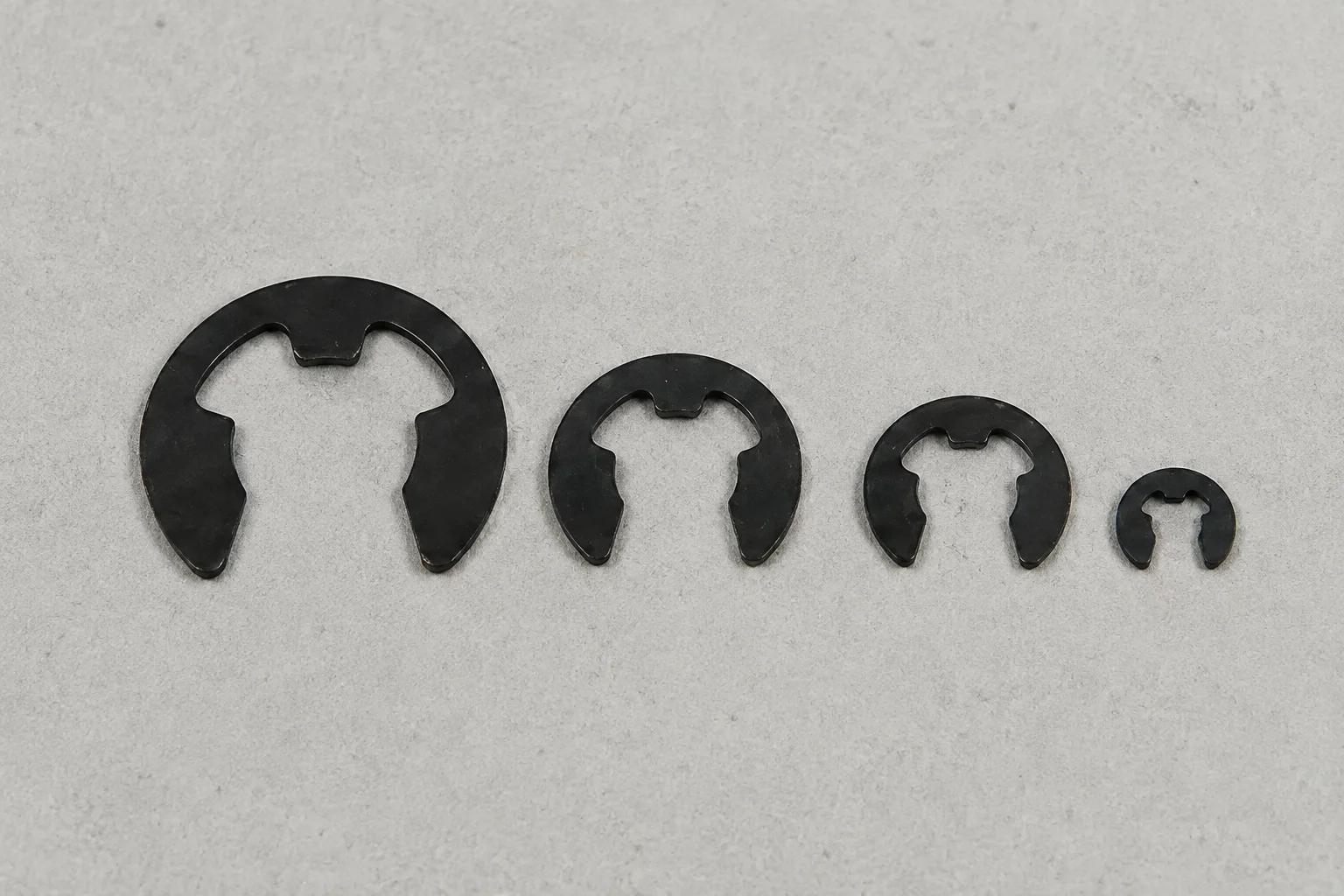
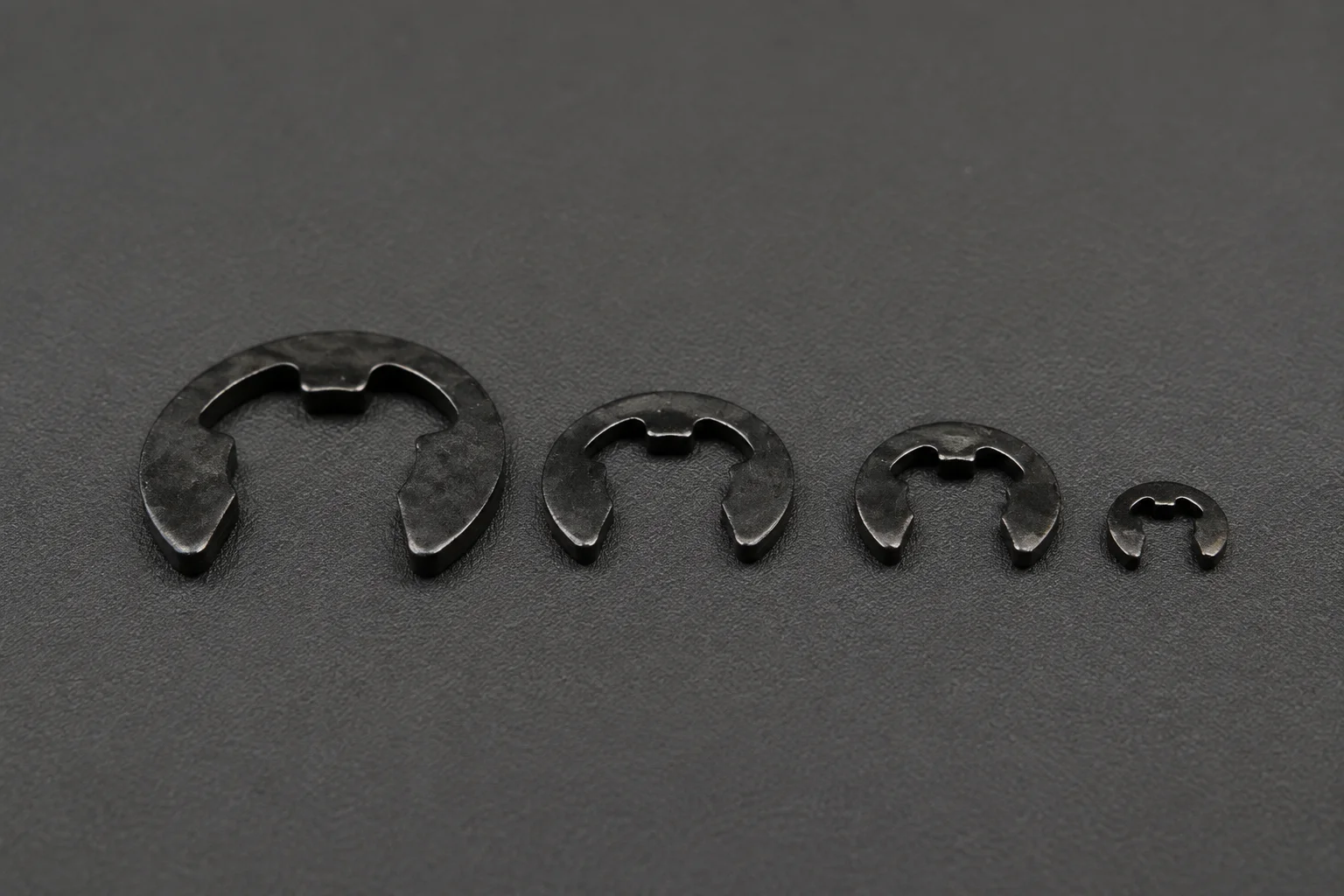
Wenzhou Eugene Technology Co., Ltd. can support B2B buyers with configurable external and E-type retention components, drawing-based discussion and sourcing communication. That support should begin with the application data, rather than an assumption that one lock ring pliers pattern fits every retainer.
Frequently Asked Questions
Can lock ring pliers remove fuel pump lock rings?
Usually no, unless the fuel-module retainer is specifically designed with plier engagement features and the OEM procedure calls for them. Most tabbed retainers need a purpose-matched rotational driver, so verify the interface before using lock ring pliers.
How to choose a fuel pump lock ring tool?
Match the tool to the tab or slot pattern, diameter, clearance and permitted removal method in the service documentation. Confirm it contacts robust features positively; a universal fuel pump lock ring tool still needs a fit check on the actual module.
What type of pliers do you use for retaining rings?
Use internal or external retaining-ring pliers according to whether the ring must compress into a bore or expand over a shaft. Select tip diameter and opening range for the ring holes, and keep the ring square during installation.
How do you use a retaining ring plier?
Seat both tips fully, apply only enough motion to clear the groove, place the ring squarely, then release slowly and inspect full seating. Avoid opening an external ring farther than necessary, because excess deflection can affect retention.
How many lock ring pliers reviews are there?
There is no stable industry-wide count: marketplace reviews change by seller, model and region. Treat reviews as secondary evidence; for a purchasing decision, prioritize documented compatibility, tool geometry and a controlled sample trial.
What is a GearWrench external lock ring plier?
It is a branded external retaining-ring plier intended to expand compatible external rings over a shaft. Confirm the exact model’s tip configuration and range against the ring drawing; a brand name alone does not establish suitability for a fuel-module retainer.
References
- Smalley, Spirolox retaining rings
- Smalley, retaining ring installation manual
- Smalley, retaining ring selection guide
- Smalley, ring design and load capacity
- NASA, fastener and retaining-device reference
Specify the retention interface first, choose the tool that matches its motion, and verify seating before the assembly returns to service. For component sourcing or drawing-based discussion, review Eugene’s retaining-ring options and contact the Eugene team. The durable purchasing principle is simple: controlled engagement costs less than correcting a preventable slip.